
Insight
Field notes
& method papers
Analysis from the two geographies we deliver in, and from the methods we use to measure what happens there. Every figure is sourced and linked. Where the evidence is unresolved, we say so rather than rounding it into a conclusion.
The best number in the world, and the widest gap
Indian women score 1.9 on relative AI skill penetration, the highest of any country's women, and Saudi Arabia has the highest female share of AI talent in the index at 32.3%. South Asia also carries a 32% mobile internet gender gap, the widest of any region, and women are more than twice as likely as men to hold the jobs generative AI most exposes.

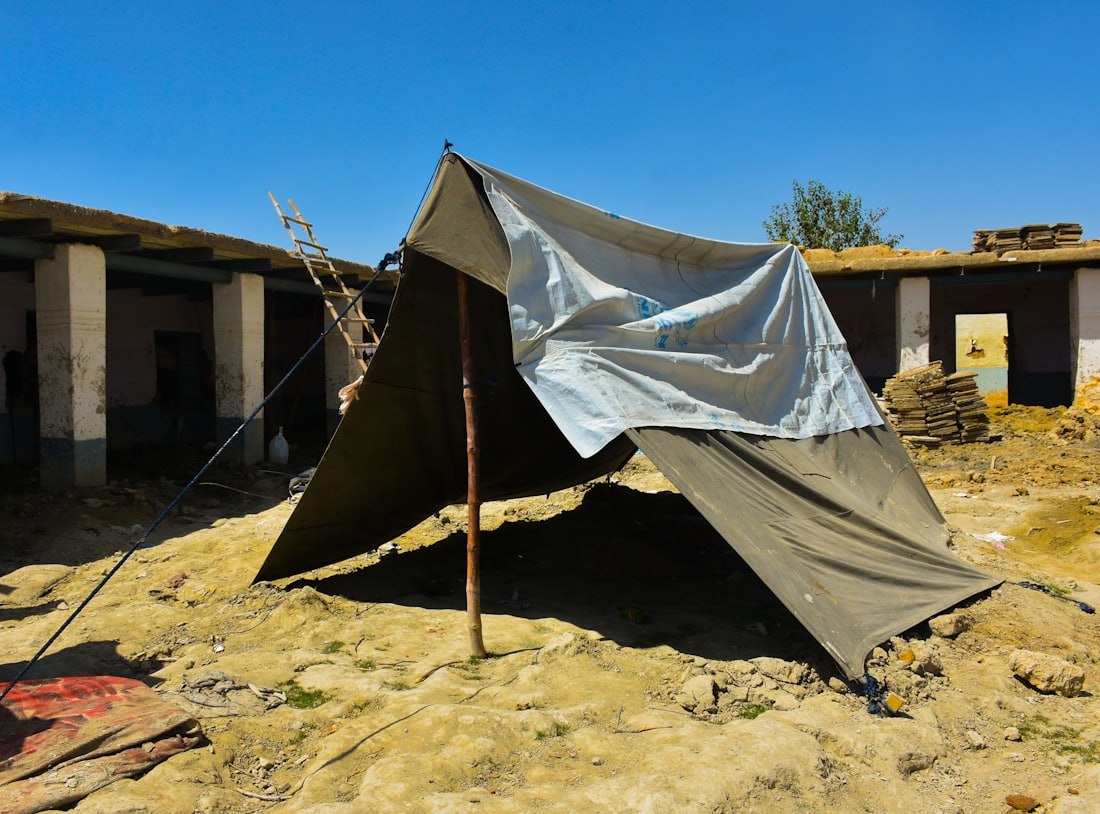
A flood does not create period poverty
61.9% of women in rural Sindh were using cloth before the floods, a method whose safety depends entirely on water, privacy and drying space. Displacement removes all three in the same hour, 95% of women in camps shared a latrine with men, and the correct product choice inverts.
Two countries, opposite directions
Saudi female labour force participation went from roughly 17% to 36% in under a decade, adding about 1.3 million women to the workforce. Pakistan finished last of 148 economies on gender parity, with its score slipping. The transferable part is the discipline of a stated target.

One market broke records. The other lost nine-tenths of its funding.
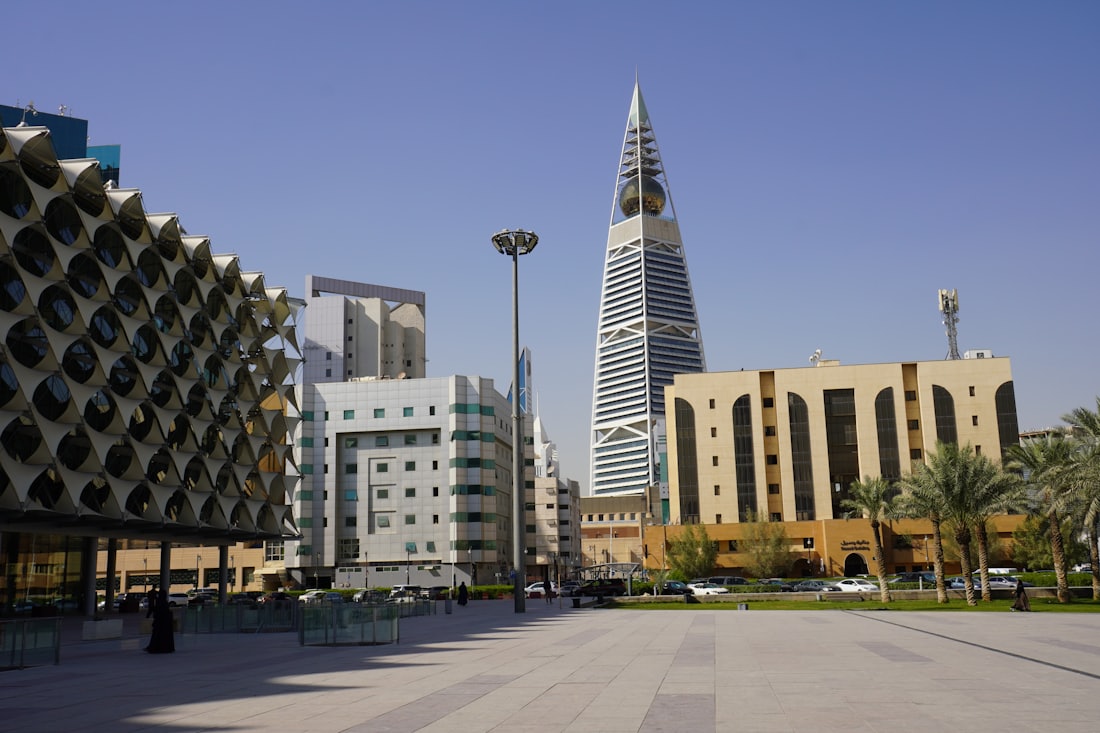
Saudi Arabia deployed $860m of venture capital in H1 2025 alone, more than all of 2024. Pakistani startup funding fell from $347m to $22.5m, the steepest drop in the emerging markets MAGNiTT tracks. Capital follows the ability to model an outcome.

Saudi Arabia's third sector grew ninefold. Its measurement did not.
The Kingdom passed its 2030 volunteering target six years early and took the sector from roughly SAR 8bn to SAR 73bn. The regulator has since shifted from growing the sector to professionalising it, and a registered volunteer is an input metric, not an outcome.

The S in ESG is the one nobody can prove
Carbon has the GHG Protocol and a common unit. Social has neither, so it defaults to training hours and people reached: activity wearing the costume of outcome. The fix is not a new global standard, it is making each result individually defensible.
The programmes you fund now get reported under tomorrow's rules
Six years of regulatory sequencing, ISSB-aligned standards in development, and no confirmed mandatory date. What a social programme designed today has to carry in order to still be reportable when assurance arrives.
Thirteen per cent
The share of Pakistani women holding a financial account, against 34% of men and a 73% average across low- and middle-income economies. Income alone does not close it, and it quietly caps what any livelihoods programme can claim.

Reusables only reduce waste if people keep using them
Life-cycle evidence favours reusables on nearly every impact, except when they are airfreighted, at which point they are worse than what they replace. And displacement modelled on rated lifespan assumes a continued use that water, drying space and household acceptance decide.
Why most impact numbers do not survive an audit
No baseline, attrition absorbed into the result, attribution claimed without a comparison, and reach reported in place of outcome. Four failure modes, four questions that expose them, and why this is becoming a commercial problem rather than an ethical one.
The school days nobody counts
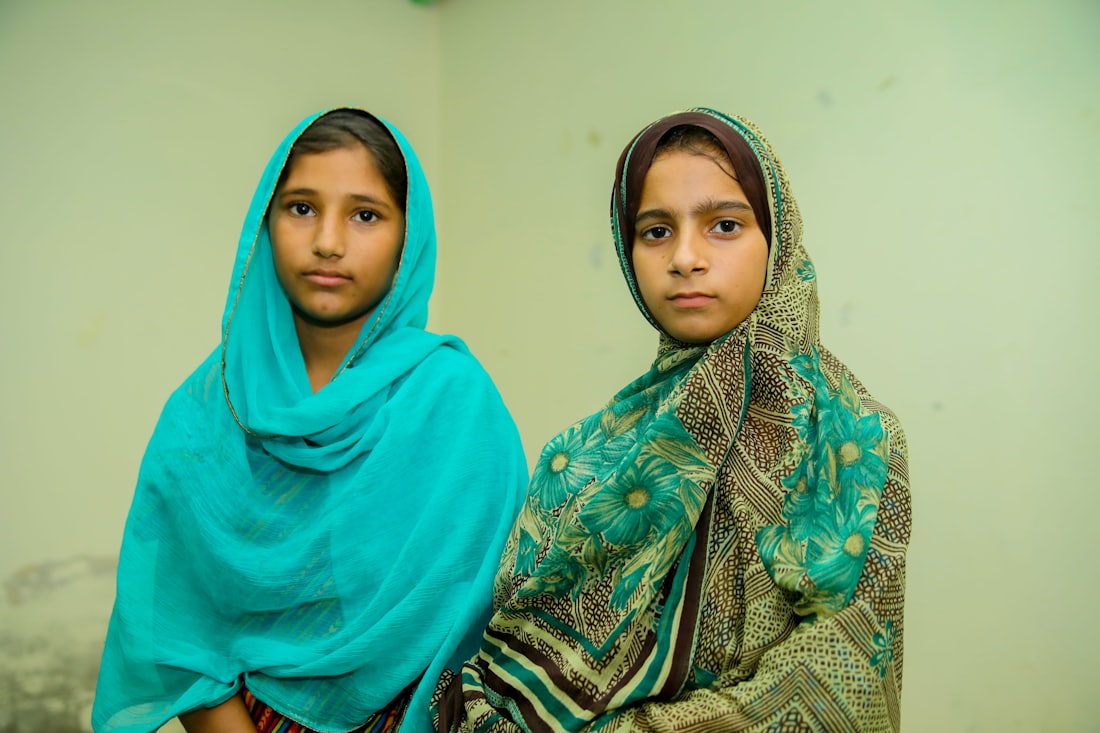
In 25,305 women surveyed across one district of rural Sindh, 61.9% used old cloth and 12.6% used nothing at all. Cost was the barrier for 48.7%, awareness for 12.1%. Most menstrual health programming is weighted towards the constraint that binds least.
What a flood response looks like thirty days in
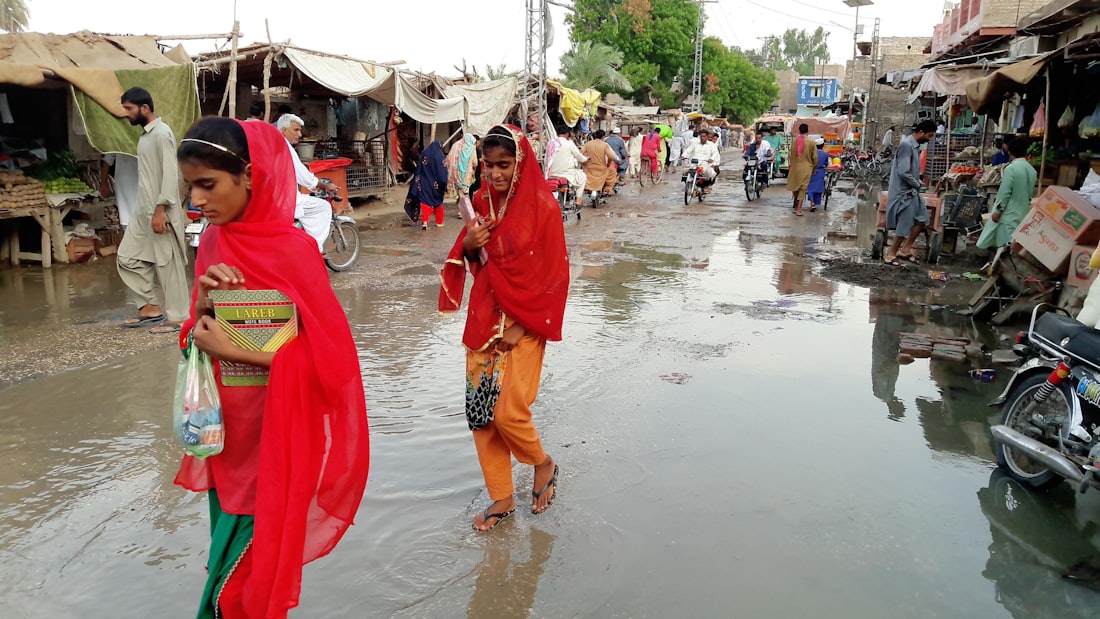
33 million people affected, 8.2 million of them women of reproductive age. The first week of a disaster is well covered by everybody; the fourth week decides the outcome, and it falls in the gap between emergency response and long-term programming.
Working papers and instruments
Full papers, including the instruments and the working behind every modelled figure, are provided on request to partners and to anyone else who asks.